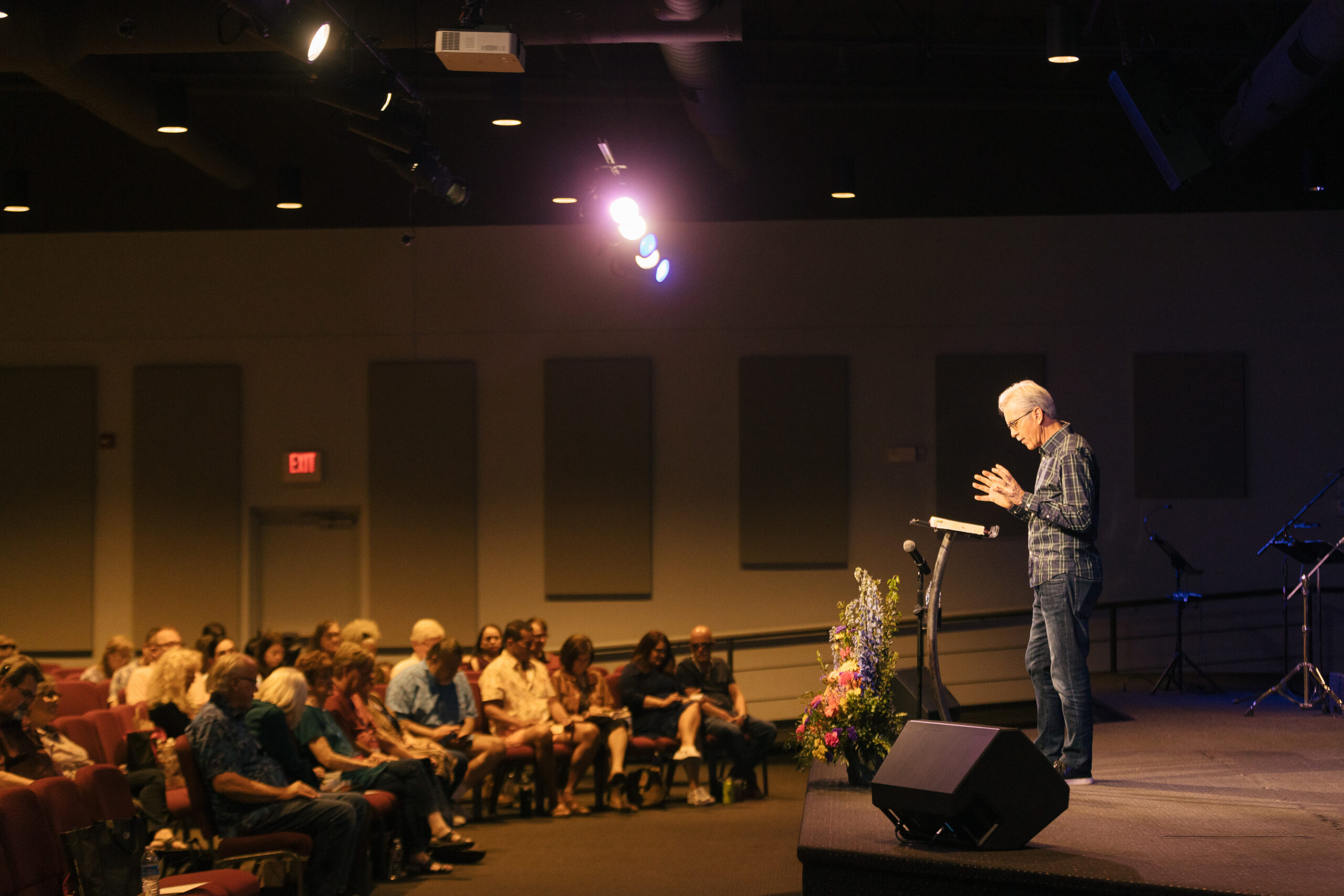
We yearn for love and acceptance, but many have only experienced pain, rejection, and shame. In Christ, we are made new. He has carried our grief, sorrow, and shame, and through His cross, we can find freedom and wholeness to move beyond the pain and shame of the past.
The writer of Hebrews says of Jesus, “…Because of the joy awaiting him, he endured the cross, disregarding its shame. Now he is seated in the place of honor …” Heb. 12:2 NLT
The Father, through our new life in Christ, wants us to release shame and embrace His honor as beloved daughters or sons. We are completely accepted, loved, and desired by Him!
Looking at the story of Jabez in 1 Chronicles 4:9-10, I want to discuss shifting from Shame to Honor.
9 Now Jabez was more honorable than his brothers, and his mother called his name Jabez, saying, “Because I bore him in pain.” 10 And Jabez called on the God of Israel saying, “Oh, that You would bless me indeed, and enlarge my territory, that Your hand would be with me, and that You would keep me from evil, that I may not cause pain!” So God granted him what he requested. NKJV
Chronicles was written by Ezra near the end of the fifth century BC, after the Babylonian captivity and the return of the exiles to Jerusalem. It aimed to remind them of God’s promises and renew their hope.
The first nine chapters of 1 Chronicles contain a lengthy list of genealogies that seem unrelated. Then, suddenly, we read about the story of Jabez, which appears to serve as an epitaph for Jabez to be included in the list. Based on the names before and after, scholars estimate that Jabez lived around the time of Joshua and the conquest of Canaan.
Why would God make sure these two verses were in the Bible?
There must be something important about the context and his life that God wants us to notice. Even though there are only two brief verses, there is a lot here.
At that time, the Hebrew people were known as “God’s covenant people.” Throughout their history, God repeatedly promised that they would become a great and prosperous nation in the land of Canaan. God first made this promise to Abraham and later reaffirmed it through Moses to the nation as they left Egypt to settle in the “Promised Land.”
In Deut. In 28:1-14, the Lord’s desire was to bless the Israelites and make them influential, thereby inspiring other nations to seek to know God. Also, the Messiah, Jesus, would come from this nation, despite their occasional rebellion and disobedience. God’s ultimate goal was to bless them so they could become a blessing!
Paul describes the Christian’s promised inheritance in Christ, referencing Hebrews and specifically Abraham, as follows: “And if you are Christ’s, then you are Abraham’s seed, and heirs according to the promise.” Gal. 3:29 NKJV
God’s desire for His people is for them to live blessed, according to His promise. Jesus said He desires for us to live an abundant life. Why? Mainly because He loves us; it brings Him pleasure and glory when His children are blessed. With the right motives, we can also influence others with the gospel.
But there is a warning behind the message of blessing, abundance, and prosperity! We follow Jesus as His devoted disciples, not for selfish gain, money, and riches. We cannot serve two masters: God and money (Matt. 6:24).
There’s nothing wrong with working hard and having wealth, but we should be rich toward God by using the resources He provides to reach others with the gospel. It’s essential for us to maintain an eternal perspective.
Wrong identity fosters shame-based thinking.
In 1 Chr. 4:9, we learn that the name Jabez means, “He will cause Pain.” His mother might have had the Hebrew word Ah-Tzav in mind, which means anguish, intense sorrow, or pain. By swapping two letters, we arrive at his name. His name, Jabez, is a pun or a sound-based play.
This verse doesn’t mention his father. So why did his mother name him “he will cause pain”? Most think it was due to her situation during childbirth. Or maybe the father was absent?
Perhaps she was a single mother, or maybe the father had a bad reputation. Maybe his family was not wealthy or influential. Perhaps he was unwanted. Maybe the pain she felt was simply having to feed another child during tough times. We do not know for sure, but Jabez was given a name— a constant reminder that he was a source of pain.
By the way, data shows that 25% of kids in America are raised by a single parent, mostly single mothers. They often face some of the highest poverty rates in the country. Many of these children grow up feeling rejected, abandoned, and ashamed. They need the Church to deliver messages of love and acceptance, along with practical support that empowers them to become who God says they are and to make a difference in our world.
Most children are given pleasant names, such as Faith, Grace, and Joseph. Can you imagine growing up with a name like Pain?
Every time his name was mentioned, it served as a reminder that somehow his mother and family saw him as someone who caused pain. His name was a curse to him and brought shame to his life.
Proverbs tells us that “Death and life are in the power of the tongue.” (Prov. 18:21 NKJV) Our words possess creative power; the power to bless and the power to curse. There is shame attached to Jabez by the very meaning of his name and how it was spoken over him.
Webster’s definition of shame: a feeling of guilt, regret, or sadness you experience because you believe you’ve done something wrong. The ability to feel guilt, regret, or embarrassment. Dishonor or disgrace.
Much of the shame people feel comes from spiritual root issues. Sometimes they haven’t done anything wrong, but it’s a result of feeling unwanted, rejected, or shamed. An important part of love is to honor others and not shame them.
“Love does not traffic in shame and disrespect, nor selfishly seek its own honor.” 1 Cor. 13:5 TPT
Shame was linked to his name and identity. When someone is born into these conditions, it’s a heavy burden to carry. You might relate to Jabez—perhaps you were unwanted, born into tough circumstances, or dislike your family name. Remember the words of the Psalmist: you are known, desired, and loved by God.
13 For you created my inmost being; you knit me together in my mother’s womb. 14 I praise you because I am fearfully and wonderfully made; your works are wonderful, I know that full well. 15 My frame was not hidden from you when I was made in the secret place, when I was woven together in the depths of the earth. 16 Your eyes saw my unformed body; all the days ordained for me were written in your book before one of them came to be. 17 How precious to me are your thoughts, God! How vast is the sum of them! 18 Were I to count them, they would outnumber the grains of sand—when I awake, I am still with you. Psalm 139:13-18 NIV
Jabez lacked positive affirmation from his parents, and his heart’s cry was to be loved and affirmed. You see, what Jabez truly longed for was to hear something like, “I love you, and I am proud of you; you’re going to do just great in life!” Again, perhaps you can relate. Look carefully at the words of Psalm 139:16: God knows you intimately and the days He has planned for your life!
God answered his prayer, but more importantly than receiving land and wealth, Jabez received the affirmation he longed for. We live among people who feel abandoned, rejected, and orphaned. The cry of Jabez, the cry of humanity, is to receive affirmation, blessing, and favor.
Such emphasis on success and prosperity in the Jewish society where Jabez lived may seem materialistic, but he essentially sought God’s hand of affirmation, recognition, and honor. He wanted to move from shame to honor.
My experience working with youth shows that their main desire is to feel valued, to believe their life matters, and to know they can make a difference. This is especially true for those who come from disadvantaged backgrounds.
His Desire for Acceptance Led Him to the Father
10 And Jabez called on the God of Israel, saying, “Oh, that You would bless me indeed, and enlarge my territory, that Your hand would be with me, and that You would keep me from evil, that I may not cause pain!” So God granted him what he requested. 1 Chr. 4:10 NKJV
Notice his prayer as He called on the God of Israel. He was a devout, prayerful man—someone who sought and walked with God.
Some Jewish scholars believe Jabez was a doctor in the law, with a school of scribes around him, and that his name, Jabez, is connected to the city so named (1 Chr. 2:55). It is believed that Jabez left many disciples. 1
Jabez became someone significant. He refused to let his past or shame-based identity define him.
Oh, that you would bless me indeed and enlarge my territory…
What is territory? In Hebrew, this was no ordinary request. Rather, this expression means, “bless me with overwhelming blessing.” Bless me with an uncommon blessing, God. When you move from shame to honor, you are confident in asking God for more so others can be blessed!
Solomon requested wisdom, and God praised him for not asking for wealth, granting him wisdom instead. Meanwhile, Jabez asks for material blessings, and God grants his request. Why is that? God evaluates the heart and motives. Jabez, by asking for more land and territory, sought a greater share in the covenant so others could be blessed.
God desires His people to walk in His blessing and fullness. He invites you and me to dream with Him and believe for more Kingdom territory, so others can be freed from their pain and God can be glorified.
The Psalmist prays, “God be merciful to us and bless us, that your way may be known on earth.” Psalm 67:1-2
Heaven’s desire is for Jesus to be made known. This happens when God’s people have a correct identity and are free from shame. They are then confident to be His ambassadors and witnesses on the earth.
Once born again, the Holy Spirit begins to renew our minds, establishing our true Godly identity. Genuine Godly identity and beliefs, rooted in God’s Word, break the cycle of negative expectations and empower you and me to live confidently in God.
For example, God, in His goodness, wants you and me to be blessed and prosperous. “Beloved, I pray that you may prosper in all things and be in health, just as your soul prospers.” 3 John 2 NKJV
Prosper means to have a successful journey or to succeed in business. It signifies the hand of God resting on us, not just money or popularity, but God’s blessing and permission to do well. It is not about greed, but about humility and obedience to God.
If I do not believe that God wants me blessed, I block the power of His blessing through Christ and my sonship to receive His favor. It does not end here; others will not receive the blessings I could release to them.
“Your hand would be with me.” What does the hand of God symbolize?
In Old Testament culture and literature, the hand symbolized power, strength, control, or skill. Throughout the Bible, God’s power and intervention are represented by the phrase “the hand of the Lord.”
We observe a pattern in scripture: those whom God blesses and uses most profoundly are those who live in submission to His authority and seek only His glory. We are called to stay humble and submit to God!
“Keep me from evil … That I may not cause pain.”
Jabez was asking God to protect the blessing you bring me, God, and to free me from the shame and anguish in my life so that I may not fall short of this. In other words, “God, break the cycle of pain and shame in my life so that I and others will not be affected!”
From Shame to Honor
Now Jabez was more honorable than his brothers… 1 Chr. 4:9
Definition of honorable: significant, represented by character, but also by position and wealth. We could say that Jabez was a man of significance. Reputation matters in these uses of the Hebrew term.
Keep in mind these words were written not during his lifetime but after it had ended. Despite the sorrowful circumstances surrounding his birth, he ended his days with more honor, greater status, and influence than all his brothers.
Jabez was a remarkable man; although his life started in pain, it concluded in honor. Prov. 15:33 states that “humility precedes honor.”
Jabez transitioned from shame to honor … and God desires the same for each of us!
Jesus reveals a secret to joy and overcoming your past—seek to lose your life in service to others. “Whoever tries to keep their life will lose it, and whoever loses their life will preserve it.” Luke 17:33 NIV
Christian: Jesus has given you a new name, a new family line, and a new identity!
To break the cycle of rejection and shame, renew your mind with the truth of how God sees you (Rom. 12:2). In Christ, you are made new, and God sees you as someone who diffuses His love and grace, not pain. Expect grace to flow—not pain—through your life.
Final Thoughts…
Jesus became our curse and bore our shame on the cross so that we could share His name and receive a new identity. Let us declare shame to end and honor to be restored.
Father, I surrender my life to You and invite the Holy Spirit to renew my mind. I reject ungodly beliefs of shame, rejection, and abandonment that are contrary to Your Word and my new identity.
I choose to believe the truth that Jesus endured the shame so that I could be free of it. I forgive others and myself for holding onto shame and grief.
I believe the truth that you love me, accept me, have honored me, and want to bless me. Let my life glorify your name and be a blessing to others. Enlarge my territory and influence so that others can know you and be set free!
“Because of the joy awaiting him, he endured the cross, disregarding its shame. Now he is seated in the place of honor …” Heb. 12:2 NLT
“Instead of your shame, you shall receive double honor…” Isa. 61:7 NKJV
Foot Notes
1. 1 Chronicles, ed. H. D. M. Spence-Jones, The Pulpit Commentary, 43 (London; New York: Funk & Wagnalls Company, 1909).